Saturday, June 9, 2012

How Many Calories Should You Eat to Lose Weight?


A few weeks ago I created a post called "How To Create Your Personal Diet Plan?" where it was explained the three most important steps you need to take in order to create a personalized, healthy, balanced, yet effective diet:
  • Establish your goals
  • Determine the amount of calories you should eat in order to maintain your weight
  • Determine where those calories should come from
However, it is time to step forward and know the deficit of calories you should create in your diet, in order to lose weight that comes from fat and not from muscles. So, let's get started:

Now that you know there has to be a caloric deficit (less calories than the ones needed in order to maintain your weight), and after determining the amount of calories you should be consuming daily with the calorie calculator, we have to establish your ideal caloric deficit. According to experts, it is recommended that we reduce between a 20-30% of our daily calories to reduce a healthy, average amount of weight. Why?
  • If we reduce less that 20%, let's say 10% of our caloric needs, then the deficit would probably not be significant enough to have effective results. In other words, the weight loss would be too slow, and therefore discouraging for most people.
  • If we reduce the 20-30%, then we make sure we are having enough deficit to lose between 1 or 2 lbs a week (depending on your current weight), and that the weight loss is coming from fat and not muscles.
  • If we reduce more than the 30% of our daily caloric needs, many things could happen; the weight we lose will most likely come from fat, muscles, and organs, instead of just coming from fat, our performance at any physical activity could be compromised, we could go into starvation mode, among other consequences.
How Does This Traduce in Your Personal Diet?

Basically you simply need a calculator to determine the 20-30 % of your maintenance level: Example, if a person has a maintenance level of 1800 calories a day, and want to reduce calories in a 30%, that means he/she would be consuming 70% of the diet in order to create a proper deficit. Therefore, you can multiply 1800 * 0.70 = 1260, which is the amount of calories you should be eating with a recommended caloric deficit. 

* It is also important to remember not to go lower than 1200 calories for women and 1500 for men, which according to doctors is the minimum required amount of calories a person needs in order to keep organs such as lungs, heart, etc functioning correctly. So, if you are a sedentary woman, who's supposed to eat 1500 calories to maintain your current weight, you have two options: 1) Create a deficit of 20% or less 2) Add some physical activity to your life.

How Do You Know You're Doing The Right Thing?

If you've followed the previous parameters, then you just have to keep track on your weight loss, which traduces in getting on the scale at least once a week, preferably first thing in the morning with no clothes on, remembering always that the more your weight, the more you lose. So if you weight 300 lbs and are losing 2 lbs a week, that is perfectly fine, however if you weight 140 lbs and are losing 2 lbs a week, you are probably losing not only fat, but also muscles, which means your caloric deficit is too high. On the contrary, if you are losing lees than 0.5 lbs a week then probably your caloric deficit is too low and should be increased. Therefore, you should probably try to lose between 1 lbs to 2 lbs per week, to know the diet is working.

It could also happen that you reach a plateau after weeks on the same diet, and normally happens due to lack of physical activity, or not enough caloric deficit. So, if you've lost a significant amount of weight, you should recalculate your maintenance level, and create a new deficit.

I hope this is helpful and you can put it into practice =). 

Sunday, June 3, 2012

All about FIBER!


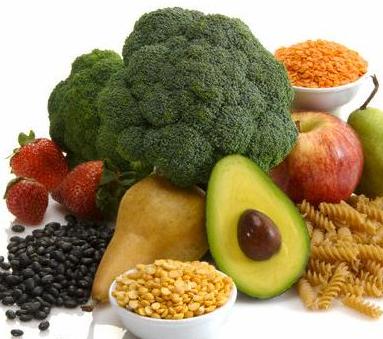
Although fiber is found in most of the healthy foods we should be consuming daily, the average American is not having enough of this important nutrient in their daily diet. There are different reasons for this, such as the amount of refined food out there, the low prices of junk food compared to the prices of organic, or non processed food, among other. However, this must be changed, and is a progressive change that has to happen now. Fiber is extremely important for our health; it helps prevent serious health conditions, and could positively affect our health care system and insurance rates.

First of all we have to know what exactly fiber is. Dietary fiber is a non-digestible carbohydrate that can be found in plants. This one is divided in two; soluble fiber, and water-insoluble fiber. The soluble fiber can be dissolved in water to form a kind of gelatin, that when consumed it helps giving a sense of fullness, thanks to the fact it passes slowly through our digestive system. Some of the foods rich in soluble fiber are different cereals like oats, legumes, banana, and so forth. It has also been studied the fact soluble fiber reduces bad cholesterol, increases bowel movement, and lowers glucose in our system. On the other hand, the water-insoluble fiber can be found in other sources of food such as vegetables, seed, nuts, the skins of different fruits, among others. This kind of fiber is excellent to clean our digestive system, since it works as a broom, pushing the material out our intestines in order to clean our digestive tract. 


Although both kinds of fiber are very beneficial to our health, we also have to take into account  extremes are not healthy, therefore, the excess of fiber in our body could represent a lack of absorption of important vitamins and minerals from food, esophageal obstruction, abdominal discomfort, diarrhea, flatulence, among other. This is the reason why it’s so important to consume the recommended amount of fiber established of 25 grams of dietary fiber for women, and 38 grams for men, instead of consuming the actual 15% an average American is eating right now.

Reaching a fiber goal is not so difficult, as long as we recognize the best foods to consume. Here are three examples of heart-healthy recipes that would increase you dietary fiber intake:

  • Breakfast: ½ a cup of oats (4grs), ½ a banana (1.5 grs) and your choice of water or skim milk.
  • Lunch: ½ cup of quinoa (6 grs), 1 cup of broccoli (2.5 grs), ½ chicken breast, and 1 orange (3 grs)
  • Dinner: Salad of mixed greens, carrots, and tomatoes (aprox. 5 grs), 1 grilled fish, and a cup of lentils (7 grs)

5 other tips to increase the consumption of daily fiber:
  1. Start your day with a whole grain cereal that contains at least 5 grams of fiber.
  2. Change your everyday white bread for whole wheat, 15 or 12 grains whole wheat bread, rye bread, among others.
  3. Start eating more nuts during snacks. They are not only packed with fiber, but would also help your cholesterol, and consumption of fatty acids.
  4.  If you are used to eating salad, don’t just add vegetable to it for fiber. Instead, try adding some lentils or beans as well to make it fiberlicious.
  5.  Instead of using dipping sauces to eat your raw veggies, try some humus, or bean dips.

In conclusion, reaching the goal in a high fiber diet is not so difficult, as long as we pair food properly, and it could eventually bring us not only health benefits, but also monetary benefits, with lower insurance rates. Therefore my question for you is what are you waiting for? 


Tuesday, April 10, 2012

5 Fun Ways to Drink Water

Although most of us are aware on the amount of water we should drink every day in order to fulfill our daily deficit, it is amazing the reduced amount of people who actually reach or get anywhere near the two liters per day requirement. Reasons are many, and the one I've heard the most is "I don't like water." Well, whether we like it or not, water IS important, and we not only should, but MUST drink enough water throughout the day in order to replace the water we've lost by sweating, salivating, crying, when using the toilet for both number one and two ;), among others. Therefore, here I'm giving five different fun and probably easier ways to drink water for those of you used to hear the "You don't like water? It doesn't even have a flavor!"

Fun Ways to Drink Water

#1. Drink It With Mint: Have any of you tried a "Mojito" before? Well this is the same, but without the alcohol. You just have to grab a glass, add a couple of leaves of mint, and crushed them with some lime juice and sugar,  or Stevia. By doing this, you will be giving your water a different and fresh flavor, while at the same time keeping it as natural as possible.

#2. Add a Bag of Decaf Tea: You can heat an entire litter of water and add a bag of decaf tea to it, and when is ready you just need to add some ice and you're good to go! This way you will be having a flavored water, fun and refreshing to have.

#3. Make it a Shot: When you drink six shots of waters, you are having an entire glass of it. So, if by the end of the day you are just missing one more glass, and have already tried every other way to drink water, then try having six shots of water with a buddy. Make a contest to see who drinks them faster, and by the end of all the laughter you would have already completed your daily requirement!

#4. 8 oz. Bottle: Most of the time when we have any liquid in a bottle, we tend to drink it faster than if we have it in a glass because of the amount of liquid we allowed into our mouths. Try then to have a 6 oz or a 8 oz bottle with you and fill it with water. This way by the second or third sip you'd have finished a glass of water that would have normally taken you up to five sips. 

#5. Not So Cold: Most of the people think that if you drink very cold water, it will be more pleasant and even taste better. However, when you drink it this cold it takes you way longer to be able to have it without getting a brain freeze, and therefore it feels FOREVER just drinking a glass of water. So, next time you are planning on drinking water, try to have it room temperature, or just cool; this way it takes you longer to be refreshed which traduces in the need of more water, and you are able to drink it faster.

Now you know there are other fun ways in which you can have your daily requirement of water. Can you think of any other way? Let me have some feedback ;)

Saturday, March 31, 2012

Try These Healthy Snacks


Have you ever found yourself getting home from work/school starving to death and digging in the fridge to find something that would calm the monster inside? Welcome to a mortal's life then.

This situation attains you, me, and most of the people whether they are in a diet plan or not. However, here I give you some healthy choices that are quick, easy, and yummy, for some pleasure with no guilt.

1. Banana pop: Half a banana (55 cal), dipped in yogurt (around 20 cal), and rolled over nuts (may vary). This delicious snack has less than 100 calories, and is rich in carbohydrates, protein, and fat.

2. Parfait with Oats: Greek yogurt preferably fat free (80 cal),  1/2 cup of berries (40 cal), 1/4 toasted oats (75 cal). When preparing this wonderful dessert, try to prepare it in layers starting with yogurt, following with berries and oats. Finally top it all with some toasted oats, and enjoy! You can also add some Stevia in order to make it a little bit more sweet.

3. Cheesy Zucchini: 1/2 Zucchini (15 cal), 2 tbs fat free cream cheese (30 cal), chives. If you rather go for something different, or less sweet, you can cut half a zucchini in half, remove the seeds and fill it with cream cheese mixed with chives, this way you'll have a snack full of protein and with even less than 50 calories!

4. Homemade Veggies Chips: Have you ever tried preparing these yourselves? Grab some vegetables and thinly slice them, placing them on a cooking sheet. Add some olive oil and take them to the oven until they get crispy.

4. Popcorn: Homemade popcorn is always a good option when adding a small amount of oil. This way you can even enjoy a movie after a long day of work, and still feel good about it.

Now enjoy, and try some other recipes that are beneficial for your health, and incredibly delicious!

Other Healthy Snacks

Wednesday, March 14, 2012

How To Create Your Personal Diet Plan?

In order to create an effective diet plan ourselves, there are several things we need to know in order for it to be successful, and most importantly HEALTHY!

The first thing we should do is to figure out what exactly we want to accomplish. Do we want to lose weight, get toned, or grow muscles? Do we just want to maintain our actual look? These are very important questions, because depending on them our diets will vary.

The second step is to know our IDEAL daily calorie intake, which refers to the amount of calories you are supposed to eat in order to maintain your actual weight. Why if I want to lose/gain weight? Well basically because by knowing your ideal daily calorie intake, it's easier to determine how many calories you have to reduce or increase, in order to attain your goal. To do so you can go to web pages such as freedieting.com.

Having determined your ideal daily calorie intake, and after increasing it or decreasing it according to your personal goal, we must establish where calories are going to come from; in other words we'll find out how many calories will come from proteins, carbohydrates, and fat. However, I'll create a blog for each one of them in order to make it more detailed.

CONGRATULATIONS! After this step you would have created your own diet! Sounds good uh? Well the only thing left to do is to adjust it to your personal needs. That means, amount of meals, timing, kind of food, and so forth. This way, the diet will be comfortable for you and your needs.

NOW IT'S YOUR TURN... What do you think? Have you tried already? Share your thoughts.

Calculate you Daily Calorie Intake

Friday, March 9, 2012

How to Start a Successful Weight Loss Process?

There are millions of people who've attempted to start a "Shrinking" process in the pass, and nowadays whether they continue being over weight, or they've gained the weight back. Now, what can a person do to end up with this curse?

The first thing we normally think of is looking for the reason on why this is happening. However, reasons can actually be way too many, ranging from yo-yo effects, lack of willpower, not getting used to the new life style, thyroid problems, lack of information, among others, and if we have already visited the doctor, changed from one diet to another, showed ourselves our strong willpower, and starved ourselves to death, what is there left to do?

Well, first of all is important to know YOU ARE NOT ALONE! Most of us have gone through that situation and YES, IT SUCKS!

Secondly, there are some important steps we should follow before starting a new "shrinking process," in order for this to be successful. These 5 unwritten rules are:


  1. Set specific goals: Before starting your journey you should first know what you want to achieve in order to know how to achieve it. Make it simple, clear, and short. Ex: Lose 25 pounds, lower my cholesterol, and lose 3 inches in my (part of the body).
  2. Educate yourself: It's easier to ask people to create diet plans, and exercise routines for your. However, what if you could own that knowledge? Go to web pages such as http://www.shape.com, http://www.acaloriecounter.com/, among others; where you can find accurate information about what is healthy and what's not, diets, carbohydrates, proteins, fat, weight loss/gain, myths, etc.
  3. Own what you've learned and stick to it: Knowing now what you want, and how to get it, put your knowledge to the test. Create your personalized diet, and workout routine with the information gathered, keep a food journal to know you are sticking to your plan, and follow what you've learned as responsibly as possible.
  4. Monitor your progress: Now is time to understand how your body works. Check if your diet is doing its part, if you are losing rate is healthy and favorable, etc. And make the accurate changes, going back to step one if needed.
  5. Make it a lifestyle: Finally, after knowing what works and doesn't work for you, make it PERMANENT! After this five steps you'll have no problem doing so, since you would already know how to modify food and in what potions to eat them, in order to keep it healthy.
 There's nothing left to say than GO FOR IT!

Now its your turn... What do you think?

Avoid Yo-Yo Dieting

Tuesday, March 6, 2012

Obesity - One Problem, Many Solutions...

In a country where more than one third of the population is obese, is easy to attain this responsibility to different external aspects such as, the amount of harmful products in the supermarkets, the many campaigns advertising unhealthy food, the lack of walking required in big cities, and even the high prices on healthy food.
And although all these and many other aspects have contributed over years with obesity, the important question today is: What is the solution? Now that the damage is done, it's time to look for alternatives in which we can revert the situation, and be a healthier country.
In my personal opinion education is key. I was never taught during high school years what a calorie is, and what the nutritional fact in each product means. So, what do you think would be a good solution besides educating the population? Do you think food companies should take part on this matter? Or is it just the government's responsibility?
Now it's your turn... What is the solution?