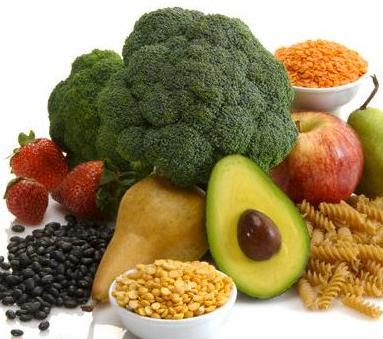
Although fiber is found in most of the healthy foods we should be consuming daily, the average American is not having enough of this important nutrient in their daily diet. There are different reasons for this, such as the amount of refined food out there, the low prices of junk food compared to the prices of organic, or non processed food, among other. However, this must be changed, and is a progressive change that has to happen now. Fiber is extremely important for our health; it helps prevent serious health conditions, and could positively affect our health care system and insurance rates.
First of all we have to know what
exactly fiber is. Dietary fiber is a non-digestible carbohydrate that can be
found in plants. This one is divided in two; soluble fiber, and water-insoluble
fiber. The soluble fiber can be dissolved in water to form a kind of gelatin,
that when consumed it helps giving a sense of fullness, thanks to the fact it
passes slowly through our digestive system. Some of the foods rich in soluble
fiber are different cereals like oats, legumes, banana, and so forth. It has
also been studied the fact soluble fiber reduces bad cholesterol, increases
bowel movement, and lowers glucose in our system. On the other hand, the
water-insoluble fiber can be found in other sources of food such as vegetables,
seed, nuts, the skins of different fruits, among others. This kind of fiber is excellent
to clean our digestive system, since it works as a broom, pushing the material out
our intestines in order to clean our digestive tract.
Although both kinds of fiber are very beneficial to our health, we also have to take into account extremes are not healthy, therefore, the excess of fiber in our body could represent a lack of absorption of important vitamins and minerals from food, esophageal obstruction, abdominal discomfort, diarrhea, flatulence, among other. This is the reason why it’s so important to consume the recommended amount of fiber established of 25 grams of dietary fiber for women, and 38 grams for men, instead of consuming the actual 15% an average American is eating right now.
Although both kinds of fiber are very beneficial to our health, we also have to take into account extremes are not healthy, therefore, the excess of fiber in our body could represent a lack of absorption of important vitamins and minerals from food, esophageal obstruction, abdominal discomfort, diarrhea, flatulence, among other. This is the reason why it’s so important to consume the recommended amount of fiber established of 25 grams of dietary fiber for women, and 38 grams for men, instead of consuming the actual 15% an average American is eating right now.
Reaching a fiber goal is not so
difficult, as long as we recognize the best foods to consume. Here are three
examples of heart-healthy recipes that would increase you dietary fiber intake:
- Breakfast: ½ a cup of oats (4grs), ½ a banana (1.5 grs) and your choice of water or skim milk.
- Lunch: ½ cup of quinoa (6 grs), 1 cup of broccoli (2.5 grs), ½ chicken breast, and 1 orange (3 grs)
- Dinner: Salad of mixed greens, carrots, and tomatoes (aprox. 5 grs), 1 grilled fish, and a cup of lentils (7 grs)
5 other tips to increase the
consumption of daily fiber:
- Start your day with a whole grain cereal that contains at least 5 grams of fiber.
- Change your everyday white bread for whole wheat, 15 or 12 grains whole wheat bread, rye bread, among others.
- Start eating more nuts during snacks. They are not only packed with fiber, but would also help your cholesterol, and consumption of fatty acids.
- If you are used to eating salad, don’t just add vegetable to it for fiber. Instead, try adding some lentils or beans as well to make it fiberlicious.
- Instead of using dipping sauces to eat your raw veggies, try some humus, or bean dips.
In conclusion, reaching the goal in a high fiber diet is not so
difficult, as long as we pair food properly, and it could eventually bring us
not only health benefits, but also monetary benefits, with lower insurance
rates. Therefore my question for you is what are you waiting for?

No comments:
Post a Comment